Classroom Quiz Platform – Features, Benefits, Tools & Complete Guide
1. Introduction to Classroom Quiz Platforms
A classroom quiz platform is a digital tool designed to help teachers create, deliver, and analyze quizzes in an interactive learning environment. These platforms replace or enhance traditional assessment methods by offering real-time participation, instant feedback, and automated grading. In modern education systems, where student engagement and measurable learning outcomes are essential, classroom quiz platforms have become a core teaching resource.
Digital quizzes are transforming classrooms because they align perfectly with how today’s students learn. Learners are already comfortable using smartphones, tablets, and laptops, so online classroom quizzes feel natural and engaging. Instead of passive lectures, students actively participate by answering questions, competing in live quizzes, and receiving immediate feedback, which significantly improves knowledge retention.
The rapid growth of online learning and hybrid education models has further increased demand for interactive quiz platforms for teachers. Schools, colleges, and training institutes now require tools that work seamlessly for both in-person and remote learning. Classroom quiz platforms support this flexibility by allowing educators to conduct live classroom quiz software sessions, assign homework quizzes, or evaluate student progress asynchronously.
By bridging the gap between physical classrooms and virtual learning spaces, classroom quiz platforms help educators create inclusive, engaging, and data-driven learning experiences that meet the needs of modern education.
2. What Is a Classroom Quiz Platform?
A classroom quiz platform is an online system that enables educators to design quizzes, share them with students digitally, and analyze responses instantly. Teachers can host quizzes live during lectures or assign them for later completion, while students participate using any internet-enabled device. Most platforms store results automatically, eliminating manual checking and paperwork.
Unlike traditional paper-based quizzes, digital quiz tools for education offer speed, accuracy, and scalability. Paper quizzes require printing, distribution, manual grading, and record-keeping, which is time-consuming and prone to errors. In contrast, classroom quiz platforms automate these tasks, providing instant results and detailed performance insights.
Real-time interaction is a key strength of these platforms. Teachers can see responses as they come in, identify misconceptions immediately, and adjust their teaching on the spot. Built-in analytics tools help track individual and class-level performance, making these platforms powerful student assessment tools.
Common use cases include schools conducting quick knowledge checks, universities assessing large classes efficiently, and training centers evaluating learner understanding during workshops. Whether used for daily practice, exams, or interactive classroom polling and quizzes, classroom quiz platforms are redefining how assessments are conducted in education.
3. Key Features of a Classroom Quiz Platform
3.1 Live Quiz Hosting
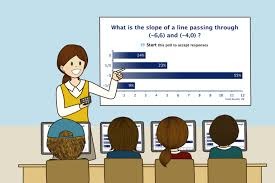
Live quiz hosting allows teachers to conduct quizzes in real time during classroom sessions. Students join instantly using a code or link and answer questions as they appear on their screens. This feature turns assessments into interactive experiences rather than static tests.
Live classroom quiz software is especially effective during lectures, revision sessions, and review classes. Teachers can gauge student understanding instantly, while learners stay engaged through competition, timers, and scoreboards. Real-time participation also encourages attentiveness, as students know their responses matter in the moment.
3.2 Multiple Question Formats
A strong classroom quiz platform supports multiple question types, including multiple-choice questions (MCQs), true/false, short answers, polls, and image-based questions. This flexibility allows teachers to assess different cognitive skills rather than just memorization.
Gamified question formats, such as timed challenges and point-based scoring, further enhance engagement. Visual and interactive questions help maintain student interest and accommodate different learning styles, making quizzes both educational and enjoyable.
3.3 Instant Results & Analytics
One of the most valuable features of a classroom quiz platform is automatic grading and instant result generation. Teachers no longer need to spend hours checking papers, as scores are calculated immediately after submission.
Detailed analytics provide insights into student performance, common mistakes, and overall class progress. These reports help educators identify learning gaps and personalize instruction, making data-driven teaching easier and more effective.
3.4 Student Access Options
Modern quiz platforms offer flexible access methods, including joining via direct links, unique quiz codes, or LMS integration. Many platforms also support no-login access, allowing students to participate quickly without account creation.
This simplicity reduces technical barriers and ensures that quizzes remain accessible to all students, regardless of device or location.
4. Benefits of Using a Classroom Quiz Platform
4.1 Improved Student Engagement
Gamification elements such as points, leaderboards, and instant feedback keep learners motivated and focused. Classroom polling and quizzes encourage participation from all students, including those who may hesitate to speak in traditional settings.
4.2 Time-Saving for Teachers
Automated grading, reusable quizzes, and centralized reporting significantly reduce teacher workload. Educators can focus more on teaching and less on administrative tasks.
4.3 Data-Driven Learning
By analyzing quiz data, teachers can quickly identify weak areas and adapt lesson plans accordingly. This makes learning more targeted and effective.
5. Classroom Quiz Platforms for Different Education Levels
5.1 Primary and Secondary Schools
For younger learners, quiz platforms offer colorful interfaces, simple navigation, and game-based learning. These features make learning fun while reinforcing core concepts.
5.2 Colleges and Universities
Higher education institutions benefit from advanced analytics, large-class handling, and detailed reporting. Classroom quiz platforms support complex assessments and academic evaluations efficiently.
5.3 Corporate Training and Workshops
In corporate environments, quiz platforms are used for skill assessments, compliance checks, and training evaluations. Interactive quizzes improve employee engagement and knowledge retention.
6. Classroom Quiz Platform vs Traditional Assessment Methods
Compared to traditional assessments, classroom quiz platforms offer faster grading, higher engagement, lower costs, and improved accessibility. Digital quizzes eliminate paper waste, scale easily for large groups, and work seamlessly across devices.
7. How Teachers Use Classroom Quiz Platforms Effectively
Teachers use pre-class quizzes to prepare students, in-class quizzes to assess understanding, and post-class quizzes for revision. These platforms also support formative assessments that guide learning rather than just evaluating it.
8. Popular Classroom Quiz Platform Tools (Overview Section)
There are many quiz platforms available, offering both free and paid plans. Free tools are ideal for basic use, while premium platforms provide advanced analytics and integrations. Most modern platforms are cloud-based, ensuring easy access and scalability.
9. Security, Privacy & Compliance in Classroom Quiz Platforms
Data security is a critical factor. Reliable platforms ensure student data protection through secure logins, encrypted storage, and compliance with educational privacy standards. This builds trust among educators, institutions, and parents.
10. How to Choose the Best Classroom Quiz Platform
When selecting a platform, educators should consider ease of use, device compatibility, pricing, scalability, and integration with tools like Google Classroom, LMS systems, or Zoom. A well-integrated platform enhances teaching efficiency.
11. Future Trends in Classroom Quiz Platforms
Future developments include AI-powered question generation, adaptive quizzes that adjust difficulty based on performance, and integration with virtual classrooms. Emerging technologies like AR, VR, and voice-based quizzes will further transform digital learning.
12. FAQs About Classroom Quiz Platforms
Are classroom quiz platforms free?
Many platforms offer free versions with limited features, while advanced tools require paid plans.
Can students join without an account?
Yes, many platforms allow participation via quiz codes or links.
Are these platforms suitable for remote learning?
Absolutely. They are designed for both in-person and remote education.
Do quiz platforms work on mobile phones?
Yes, most platforms are fully mobile-friendly.
13. Conclusion
A classroom quiz platform is no longer an optional tool—it is an essential part of modern education. By improving engagement, saving time, and enabling data-driven learning, these platforms empower teachers and enhance student outcomes. As education continues to evolve digitally, adopting interactive quiz platforms will play a crucial role in shaping the future of learning.