
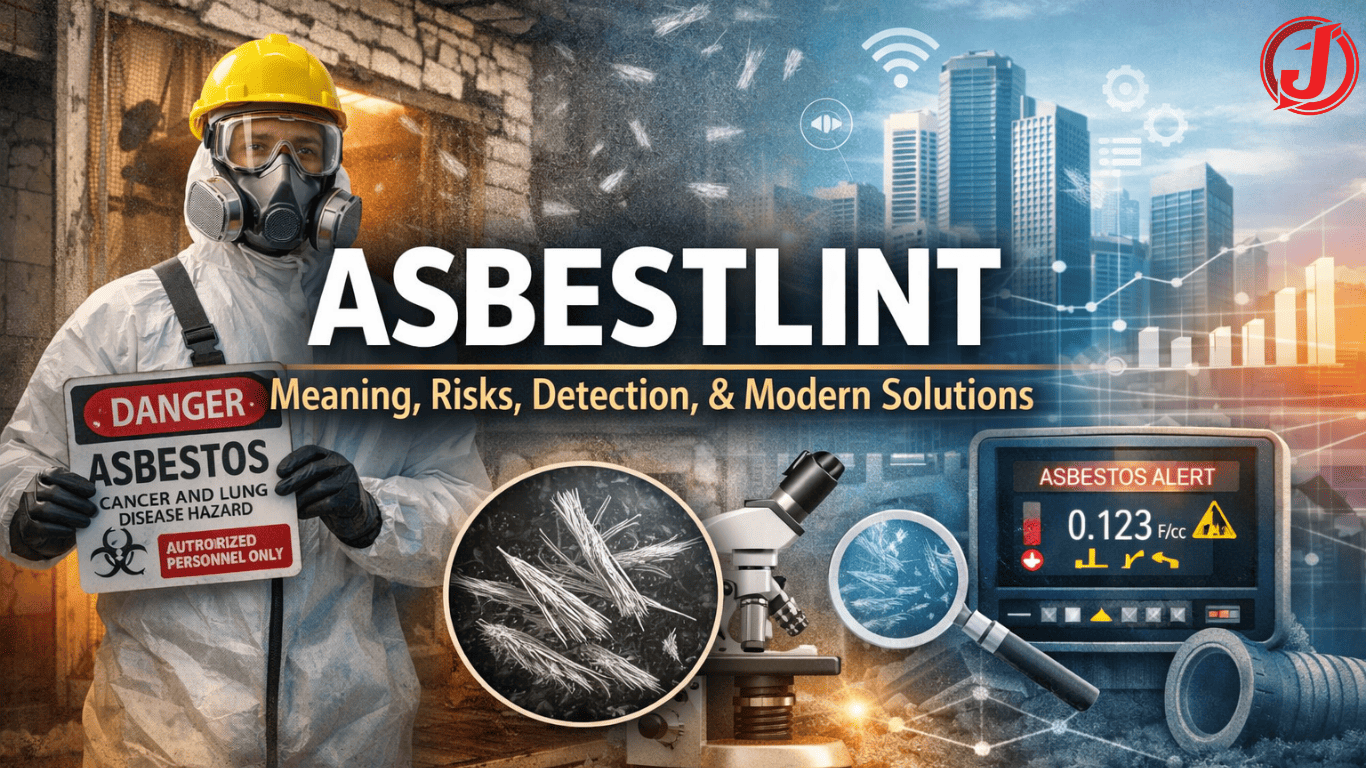
Asbestlint – Meaning, Risks, Detection, and Modern Solutions
Introduction to Asbestlint
Background of Asbestos Usage
In the early days of industrial expansion, asbestos was widely celebrated as a revolutionary material. Often referred to as a “miracle mineral,” it gained popularity due to its exceptional physical properties. Asbestos is naturally resistant to heat, fire, and chemical damage, making it an ideal choice for industries requiring durable and safe materials. Additionally, it was inexpensive and easily available, which further increased its adoption across multiple sectors.
Throughout the 20th century, asbestos became a core component in construction, manufacturing, and insulation. It was commonly used in roofing materials, cement products, ceiling tiles, and pipe insulation. Factories relied on it for machinery insulation, while builders used it to enhance fire resistance in buildings. Its versatility allowed it to be woven into fabrics, molded into panels, or sprayed as a coating.
At the time, little attention was given to its potential health risks. The focus remained on performance, efficiency, and cost-effectiveness. However, as time passed and research advanced, the hidden dangers associated with asbestos exposure began to surface, leading to a major shift in how this once-celebrated material was perceived.
Shift from Innovation to Health Concern
As scientific research progressed, the narrative around asbestos began to change dramatically. Studies revealed that prolonged exposure to asbestos fibers could lead to serious health conditions. These fibers, when inhaled, can become lodged in lung tissues, causing long-term damage that often remains undetected for years.
Diseases such as mesothelioma, lung cancer, and asbestosis were directly linked to asbestos exposure. What made the situation more concerning was the delayed onset of symptoms. Individuals exposed to asbestos might not experience health issues until decades later, making early detection and prevention extremely difficult.
Governments and health organizations worldwide responded by introducing strict regulations. Many countries banned the use of asbestos entirely, while others imposed tight restrictions on its handling and removal. Industries were required to adopt safer alternatives and follow strict safety protocols.
Today, asbestos awareness is a critical part of workplace safety. Companies are expected to identify potential risks and implement preventive measures. This shift highlights the importance of balancing industrial innovation with long-term health considerations, paving the way for concepts like asbestlint to gain attention.
Emergence of Asbestlint as a Modern Concept
Asbestlint has emerged as a modern term used to describe the fine, dust-like asbestos fibers that are released when asbestos-containing materials deteriorate or are disturbed. Unlike larger asbestos fragments, which are easier to detect and manage, asbestlint consists of microscopic particles that are invisible to the naked eye.
This concept has become increasingly relevant in today’s discussions about environmental safety and workplace health. As older buildings continue to age, the risk of fiber release increases. Renovation projects, structural damage, or even natural wear can lead to the formation of airborne asbestos particles.
For facility managers, startups, and technology professionals, understanding asbestlint is essential. It represents a shift toward proactive risk management, where continuous monitoring and early detection are prioritized over reactive solutions.
Modern industries are now integrating digital tools and environmental monitoring systems to track air quality and detect hazardous particles. Asbestlint is no longer just a technical term; it is a critical factor in ensuring safe working environments and maintaining compliance with evolving regulations.
What Is Asbestlint?
Definition and Core Meaning
Asbestlint refers to the extremely fine asbestos fibers and particulate residues that are released into the environment when asbestos-containing materials break down or are disturbed. These fibers are microscopic in nature, making them difficult to detect without specialized equipment. Unlike visible asbestos fragments, asbestlint can remain suspended in the air for extended periods, increasing the risk of inhalation.
The key distinction lies in its size and behavior. Larger asbestos pieces are heavy and tend to settle quickly, making them easier to manage. In contrast, asbestlint behaves more like dust, spreading easily through air currents and ventilation systems. This characteristic significantly increases the potential for widespread contamination.
Understanding this difference is crucial for effective risk management. Many organizations mistakenly assume that asbestos is only dangerous when visible. However, the real threat often lies in these invisible particles that can linger unnoticed.
Because of its airborne nature, asbestlint requires specialized detection methods such as air sampling and microscopic analysis. Recognizing its presence early allows organizations to take preventive measures, reducing the likelihood of long-term exposure and health complications.
Origin of the Term
The term “asbestlint” is derived from two distinct words: “asbest,” meaning asbestos, and “lint,” referring to a fibrous strip or thread-like material. This combination accurately reflects both its composition and physical form. Historically, the term was used in European industrial settings, particularly in German-speaking regions, to describe asbestos-based tapes and fibrous materials.
These materials were commonly used for insulation and sealing in high-temperature environments. Over time, as industrial practices evolved and awareness of asbestos risks increased, the meaning of the term expanded. Today, it is often used more broadly to describe fine asbestos fibers present in the environment.
The evolution of the term highlights the changing understanding of asbestos. What was once seen as a practical industrial material is now recognized as a potential health hazard. This shift in meaning reflects broader changes in how industries approach safety and environmental responsibility.
By understanding the origin of the term, professionals can better appreciate its historical context and its relevance in modern safety discussions.
Where Asbestlint Is Found
Asbestlint is commonly found in older buildings, particularly those constructed before the 1990s. During that time, asbestos was widely used in construction materials due to its durability and fire-resistant properties. As a result, many structures still contain asbestos in various forms.
Common sources include insulation boards, ceiling tiles, pipe lagging, roofing materials, and floor adhesives. Over time, these materials can degrade, releasing fine fibers into the air. Renovation or demolition activities can significantly increase this risk by disturbing asbestos-containing components.
Industrial facilities, warehouses, and older residential buildings are particularly vulnerable. Even modern workplaces may face risks if they operate in repurposed structures. Additionally, ventilation systems can spread fibers throughout a building, making contamination more widespread.
Identifying these sources is the first step in managing risk. Professional inspections and regular monitoring are essential for detecting asbestlint and preventing exposure. By understanding where it is likely to be found, organizations can take proactive measures to ensure a safe environment.
Why Asbestlint Matters in Modern Workplaces
Hidden Environmental Hazard
One of the most concerning aspects of asbestlint is its invisible nature. Unlike other workplace hazards that can be easily identified, asbestos fibers are microscopic and cannot be seen without specialized tools. This makes them particularly dangerous, as individuals may be exposed without realizing it.
These fibers can remain suspended in the air for long periods, especially in enclosed environments. Air conditioning systems, ventilation ducts, and natural airflow can distribute them across large areas, increasing the risk of widespread exposure.
Because of this, asbestlint is often referred to as a hidden environmental hazard. It does not produce immediate symptoms, and its presence may go unnoticed until health issues arise. This makes early detection and continuous monitoring essential for workplace safety.
Organizations must adopt a proactive approach, using advanced detection technologies and regular inspections. By addressing this invisible threat, businesses can protect their employees and maintain a safe working environment.
Why Asbestlint Matters in Modern Workplaces
Health Risks and Long-Term Impact
The health risks associated with asbestlint are among the most serious concerns in occupational safety. When asbestos fibers are inhaled, they can become permanently lodged in the lungs, leading to progressive damage over time. Unlike many other environmental hazards, asbestos-related diseases often take decades to develop, which makes early exposure particularly dangerous.
One of the most severe conditions linked to asbestos exposure is mesothelioma, a rare and aggressive cancer that affects the lining of the lungs and abdomen. In addition, prolonged exposure can lead to lung cancer and asbestosis, a chronic respiratory disease that causes scarring of lung tissue. These illnesses are often irreversible and, in many cases, life-threatening.
What makes asbestlint particularly dangerous is its microscopic nature. Because the fibers are so small, they can penetrate deep into the respiratory system. Workers may unknowingly inhale these particles during routine tasks, especially in environments where asbestos-containing materials are present.
This delayed and often silent impact highlights the importance of prevention. Organizations must prioritize air quality monitoring, regular inspections, and employee education to minimize exposure risks and protect long-term health.
Business and Operational Risks
Beyond health concerns, asbestlint presents significant business and operational risks for organizations. One of the most immediate challenges is legal liability. Companies that fail to identify and manage asbestos hazards may face lawsuits, regulatory penalties, and compensation claims from affected employees.
In addition to legal consequences, asbestos contamination can disrupt business operations. If asbestlint is detected in a workplace, it may require immediate shutdown for inspection, containment, and remediation. These processes can be time-consuming and expensive, leading to project delays and financial losses.
Reputation is another critical factor. In today’s competitive market, companies are increasingly judged on their commitment to safety and environmental responsibility. A single incident involving asbestos exposure can damage public trust and harm brand image.
Furthermore, insurance costs may increase for organizations that operate in high-risk environments. Insurers often require strict compliance with safety standards, and failure to meet these requirements can result in higher premiums or denied coverage.
By proactively managing asbestlint risks, businesses can avoid these challenges, maintain operational continuity, and build a strong reputation for safety and responsibility.
Formation and Spread of Asbestlint
How Asbestos Materials Degrade
Asbestos-containing materials are generally safe when they remain intact and undisturbed. However, over time, these materials can degrade due to natural aging, environmental exposure, and physical wear. This degradation process is the primary source of asbestlint.
Factors such as moisture, temperature fluctuations, and structural stress can weaken asbestos materials. As they deteriorate, they become friable, meaning they can easily crumble and release fibers into the air. This transformation significantly increases the risk of airborne contamination.
In older buildings, decades of use can lead to gradual breakdown of insulation, ceiling tiles, and other asbestos-based components. Even minor damage, such as cracks or surface erosion, can release microscopic fibers.
Understanding this degradation process is essential for risk management. Regular inspections can help identify early signs of material deterioration, allowing organizations to take preventive action before fibers are released.
Activities That Release Fibers
Certain activities significantly increase the likelihood of asbestlint formation. Construction and renovation work are among the most common causes, as they often involve cutting, drilling, or removing materials that may contain asbestos.
Sanding surfaces, demolishing walls, or replacing insulation can release large quantities of fibers into the air. Even routine maintenance tasks, such as installing cables or repairing pipes, can disturb asbestos materials if proper precautions are not taken.
In industrial settings, vibration from heavy machinery can also contribute to fiber release. Continuous movement and mechanical stress can weaken asbestos-containing components, causing them to shed particles over time.
Because these activities are often unavoidable, it is crucial to implement strict safety protocols. Using protective equipment, sealing work areas, and employing certified professionals can help minimize the risk of fiber release and protect workers from exposure.
Airborne Behavior and Contamination Cycle
Once released, asbestos fibers behave differently from ordinary dust particles. Due to their lightweight and durable nature, they can remain suspended in the air for extended periods. This increases the likelihood of inhalation and allows fibers to spread throughout a building.
Airflow systems, including ventilation ducts and air conditioning units, can carry fibers across rooms and floors. This means that contamination is not limited to the original source area. In some cases, individuals far from the source may still be exposed.
After settling, fibers can cling to surfaces such as furniture, equipment, and clothing. Any movement or disturbance can cause them to become airborne again, creating a continuous cycle of contamination. This re-suspension makes asbestos particularly difficult to eliminate.
Breaking this cycle requires thorough cleaning, proper containment, and advanced filtration systems. Understanding how asbestlint spreads helps organizations develop effective strategies to control and reduce exposure.
Technologies for Detecting Asbestlint
Traditional Testing Methods
Traditional methods for detecting asbestos rely heavily on laboratory analysis. These methods involve collecting samples of air, dust, or materials and examining them under specialized microscopes. Although time-consuming, laboratory testing remains one of the most reliable ways to identify asbestos fibers.
Certified professionals typically conduct these tests to ensure accuracy and compliance with regulations. Samples are carefully collected and sent to accredited laboratories, where experts analyze them using established techniques.
This approach provides detailed information about fiber concentration and composition. However, it may not offer immediate results, which can delay decision-making in urgent situations.
Despite its limitations, traditional testing is still widely used due to its precision. It forms the foundation of asbestos risk assessment and is often required for regulatory compliance.
Modern Detection Technologies
Advancements in technology have significantly improved the detection of asbestlint. Modern tools allow for faster and more accurate analysis, enabling organizations to respond quickly to potential risks.
Air sampling pumps are commonly used to collect airborne fibers for analysis. These devices draw air through filters, capturing particles that can later be examined in a laboratory. Phase Contrast Microscopy (PCM) is often used to measure fiber concentration, while Transmission Electron Microscopy (TEM) provides highly detailed images of even the smallest fibers.
TEM is particularly valuable for regulatory compliance, as it can identify asbestos fibers with exceptional accuracy. These technologies provide a comprehensive understanding of contamination levels, helping organizations make informed decisions.
By combining traditional methods with modern tools, businesses can achieve a higher level of accuracy and efficiency in asbestos detection.
Digital Monitoring and Smart Systems
In recent years, digital monitoring systems have revolutionized environmental safety. These systems use sensors and data analytics to track air quality in real time, providing continuous insights into potential risks.
Smart sensors can detect changes in particulate levels and alert facility managers to unusual patterns. While they may not identify asbestos specifically, they can indicate when further investigation is needed. This proactive approach allows organizations to address issues before they escalate.
Digital platforms also help manage inspection records, compliance documentation, and risk assessments. By centralizing this information, organizations can streamline operations and ensure that all safety requirements are met.
Integration with facility management systems further enhances efficiency. Data from sensors can be analyzed alongside other building metrics, creating a comprehensive view of environmental conditions.
This shift toward digital solutions represents the future of asbestos management, enabling smarter, faster, and more effective risk control.
Regulatory Framework and Compliance
Global Regulations on Asbestos
Over the past few decades, governments worldwide have taken strict measures to regulate or completely ban the use of asbestos due to its severe health risks. Many developed countries, including those in Europe, have enforced complete bans on asbestos-containing materials, while others have implemented strict controls on its use, handling, and disposal.
Despite these bans, asbestos remains present in millions of older buildings, especially those constructed before the 1990s. This creates an ongoing challenge for property owners and organizations that must comply with safety regulations. Authorities such as occupational health and environmental agencies require regular inspections and proper documentation of asbestos-containing materials.
The global decline in asbestos usage reflects a broader shift toward safer construction practices. However, regulatory frameworks continue to evolve as new research emerges and awareness increases. Organizations must stay updated with local laws and international guidelines to ensure compliance.
Understanding these regulations is essential not only for avoiding legal penalties but also for protecting public health. Companies that proactively follow these standards demonstrate responsibility and commitment to safety.
Workplace Safety Requirements
Workplace safety regulations related to asbestos are designed to minimize exposure and protect employees. These requirements typically include mandatory inspections, risk assessments, and controlled handling procedures for asbestos-containing materials.
Employers are responsible for identifying potential asbestos risks within their facilities. This involves hiring certified professionals to conduct detailed surveys and testing. If asbestos is found, strict protocols must be followed for containment, removal, or management.
Workers involved in maintenance, renovation, or demolition must receive proper training and protective equipment. This includes respirators, protective clothing, and safety guidelines to prevent accidental exposure.
In many regions, only licensed contractors are allowed to remove asbestos. This ensures that removal processes are carried out safely and in compliance with regulations. Failure to follow these requirements can result in serious consequences, including fines, legal action, and health risks.
By adhering to workplace safety standards, organizations can create a secure environment and reduce the likelihood of asbestos-related incidents.
Importance of Documentation and Monitoring
Proper documentation and continuous monitoring are critical components of asbestos compliance. Regulatory bodies often require organizations to maintain detailed records of inspections, testing results, and management plans.
These records serve as proof of compliance and help track the condition of asbestos-containing materials over time. Regular monitoring ensures that any changes, such as material degradation or increased fiber levels, are detected early.
Failure to maintain accurate documentation can lead to penalties and increased liability. In addition, it can make it difficult to respond effectively in the event of contamination.
Digital tools have made it easier to manage this process. Many organizations now use software platforms to store and analyze data related to environmental safety. These systems provide real-time insights and help ensure that all regulatory requirements are met.
Ultimately, documentation and monitoring are not just about compliance—they are essential for maintaining a safe and controlled environment.
Asbestlint in Smart Buildings and Future Technologies
Role in Smart Building Ecosystems
Smart buildings are transforming the way facilities are managed by integrating advanced technologies such as sensors, automation, and data analytics. Environmental health monitoring is becoming a key part of this ecosystem, and asbestlint detection is expected to play an important role.
Modern buildings are equipped with sensors that monitor air quality, temperature, and humidity. These systems can be adapted to detect unusual particulate levels that may indicate the presence of asbestos fibers.
By integrating asbestlint monitoring into smart building systems, facility managers can gain real-time insights into environmental conditions. This allows for immediate action when potential risks are detected, reducing the likelihood of exposure.
The inclusion of environmental safety in smart building design reflects a growing focus on occupant health. It ensures that buildings are not only efficient but also safe for those who use them.
AI and Predictive Risk Management
Artificial intelligence (AI) is playing an increasingly important role in environmental monitoring and risk management. By analyzing large amounts of data, AI systems can identify patterns and predict potential hazards before they occur.
In the context of asbestlint, AI can be used to analyze air quality data and detect anomalies that may indicate fiber release. For example, sudden changes in particulate levels could trigger alerts, prompting further investigation.
Predictive models can also assess the likelihood of asbestos degradation based on factors such as building age, usage patterns, and environmental conditions. This allows organizations to take preventive measures before problems arise.
Automated alerts and decision-support systems help facility managers respond quickly and effectively. This reduces reliance on manual inspections and improves overall efficiency.
AI-driven solutions represent a major advancement in asbestos management, offering a proactive approach to safety.
Opportunities for PropTech and Startups
The growing need for environmental safety solutions has created significant opportunities for startups and technology companies. PropTech (property technology) firms are developing innovative platforms that combine monitoring, compliance, and data analytics.
These platforms can integrate air quality sensors, inspection records, and regulatory requirements into a single system. This makes it easier for organizations to manage asbestos risks and maintain compliance.
Startups can also explore the use of IoT devices, cloud computing, and machine learning to enhance detection capabilities. By providing real-time insights and automated reporting, these solutions can significantly improve efficiency.
The demand for such technologies is expected to increase as regulations become stricter and awareness grows. Companies that invest in this space have the potential to reshape how environmental risks are managed in modern buildings.
Historical Use of Asbestlint
Industrial Applications
Historically, asbestlint was widely used in industrial environments due to its excellent heat-resistant properties. It was commonly applied as a tape or woven material for insulating pipes, boilers, and machinery operating at high temperatures.
In power plants and manufacturing facilities, it helped maintain efficiency by preventing heat loss. Workers used it to wrap steam pipes, ensuring safe operation and reducing energy consumption.
Asbestlint was also used for fireproofing purposes. Its non-combustible nature made it ideal for protecting structures and equipment from fire hazards. In addition, it served as a sealing material, filling gaps and preventing leaks in high-pressure systems.
Its versatility made it a valuable component in many industries. However, its widespread use also contributed to significant exposure risks, especially before safety standards were established.
Why It Was Considered Effective
The effectiveness of asbestlint was largely due to the unique properties of asbestos fibers. These fibers are highly resistant to heat, making them suitable for extreme environments. They are also durable and do not degrade easily, which allowed asbestlint to last for long periods without replacement.
Another advantage was its flexibility. Unlike rigid materials, asbestlint could be easily wrapped around complex shapes, making installation more convenient. This adaptability made it a preferred choice for many industrial applications.
In addition, it was resistant to chemicals and moisture, further enhancing its durability. These qualities made it a reliable and cost-effective solution for insulation and protection.
However, these same properties also contributed to its dangers. The durability of asbestos fibers means they do not break down easily in the body, leading to long-term health risks.
Health and Safety Concerns
Exposure Risks
Exposure to asbestlint typically occurs when asbestos-containing materials are disturbed. Activities such as renovation, demolition, or maintenance can release fibers into the air, increasing the risk of inhalation.
Even minor disturbances can be hazardous, as the fibers are extremely small and easily airborne. Workers and occupants may be exposed without realizing it, especially in poorly ventilated areas.
The risk is particularly high in older buildings where asbestos materials have deteriorated over time. Without proper precautions, exposure can occur during routine activities.
Understanding these risks is essential for prevention. Proper training, protective equipment, and controlled procedures can significantly reduce exposure.
Associated Diseases
Asbestos exposure is linked to several serious health conditions. Asbestosis is a chronic lung disease that causes scarring and breathing difficulties. Lung cancer is another major risk, particularly for individuals with prolonged exposure.
Mesothelioma is the most severe condition associated with asbestos. It is a rare but aggressive cancer that affects the lining of the lungs or abdomen. Unfortunately, it is often diagnosed at an advanced stage, making treatment difficult.
These diseases highlight the importance of early prevention and strict safety measures. Once exposure occurs, the damage may be irreversible.
Occupational Hazards
Workers in construction, manufacturing, and maintenance are at the highest risk of exposure to asbestlint. In the past, many workers handled asbestos materials without proper protection, leading to widespread health issues.
Today, safety regulations have improved significantly, but risks still exist, particularly in older buildings. Employers must ensure that workers are properly trained and equipped to handle asbestos safely.
By addressing occupational hazards, organizations can protect their workforce and reduce long-term health risks.
Decline and Replacement of Asbestlint
Regulatory-Driven Phase-Out
The decline of asbestlint is directly linked to the increasing awareness of asbestos-related health risks and the introduction of strict regulations worldwide. As scientific evidence confirmed the dangers of asbestos exposure, governments began implementing laws to control and eventually eliminate its use.
Many countries enforced complete bans on asbestos-containing materials, while others introduced strict guidelines for handling, removal, and disposal. These regulations required industries to transition away from asbestos-based products, including asbestlint, and adopt safer alternatives.
The phase-out process was gradual but impactful. Industries that once relied heavily on asbestos had to rethink their material choices and invest in research for safer solutions. Existing asbestos installations in older buildings were not always removed immediately but were instead managed under controlled conditions.
This regulatory shift not only reduced exposure risks but also set new standards for material safety. Today, asbestlint is rarely used in modern construction or manufacturing, serving primarily as a legacy concern that must be carefully managed rather than utilized.
Modern Alternatives
As asbestlint was phased out, the demand for safer materials led to the development of modern alternatives that offer similar performance without the associated health risks. These materials are now widely used in construction, insulation, and industrial applications.
Fiberglass insulation is one of the most common substitutes. It provides excellent thermal resistance and is lightweight, making it easy to install. Ceramic fiber materials are another alternative, known for their ability to withstand extremely high temperatures, making them suitable for industrial environments.
Mineral wool and cellulose insulation have also gained popularity due to their eco-friendly properties and effective thermal performance. These materials not only improve safety but also align with modern sustainability goals.
The availability of these alternatives demonstrates how innovation can replace hazardous materials while maintaining efficiency and functionality. Organizations can now achieve high performance without compromising on health and safety.
Advancements in Material Science
Advancements in material science have played a crucial role in eliminating the need for hazardous materials like asbestlint. Researchers and engineers have developed innovative solutions that combine durability, flexibility, and safety.
Modern insulation materials are designed to resist heat, fire, and chemical exposure while remaining environmentally friendly. Many of these products are recyclable and contribute to energy efficiency, supporting sustainable building practices.
In addition, new technologies have improved the manufacturing processes of these materials, ensuring consistent quality and performance. This has made them reliable alternatives for industries that once depended on asbestos.
These advancements highlight the importance of continuous research and innovation. By prioritizing safety and sustainability, the industry has successfully moved beyond the limitations of traditional materials.
Practical Steps for Organizations
Conducting Inspections
For organizations operating in older buildings, conducting professional inspections is the first and most important step in managing asbestlint risks. Certified asbestos inspectors have the expertise and equipment needed to identify potential hazards accurately.
These inspections involve examining building materials such as insulation, ceiling tiles, flooring, and pipe coverings. Samples may be collected and analyzed in laboratories to confirm the presence of asbestos fibers.
Regular inspections are essential, especially before renovation or maintenance activities. Identifying risks early allows organizations to plan appropriate safety measures and avoid accidental exposure.
Hiring qualified professionals ensures that inspections are conducted safely and in compliance with regulations. This not only protects employees but also reduces the risk of legal issues.
Safe Management Strategies
Once asbestos-containing materials are identified, organizations must implement effective management strategies. In many cases, immediate removal is not necessary or recommended. Instead, controlled management techniques can be used to minimize risk.
Encapsulation involves sealing the material with a protective coating to prevent fiber release. This method is often used when the material is in good condition and unlikely to be disturbed. Enclosure is another approach, where the material is covered or isolated to prevent exposure.
Restricted access to affected areas is also important. Limiting entry reduces the chances of disturbance and exposure. Clear signage and safety protocols help ensure that employees are aware of potential hazards.
These strategies allow organizations to manage risks effectively without unnecessary disruption or expense.
Employee Training and Awareness
Employee education is a critical component of asbestos risk management. Workers who are aware of the dangers associated with asbestlint are better equipped to avoid exposure and follow safety protocols.
Training programs should cover topics such as identifying asbestos-containing materials, understanding the risks of disturbance, and using protective equipment. Employees involved in maintenance or construction activities require specialized training to handle potential hazards safely.
Awareness campaigns can also help reinforce safety practices and ensure that all staff members understand their responsibilities. By fostering a culture of safety, organizations can significantly reduce the risk of accidents.
Investing in training not only protects employees but also enhances overall workplace efficiency and compliance.
Business Case for Proactive Risk Management
Cost Prevention
Proactive management of asbestlint can save organizations significant costs in the long run. Unexpected contamination events often lead to expensive remediation projects, which may include building closures, specialized cleaning, and legal expenses.
By investing in early detection and monitoring, companies can identify risks before they escalate. This allows for more controlled and cost-effective solutions, reducing the financial impact.
Preventive measures also minimize disruptions to operations, ensuring that projects remain on schedule and within budget.
Compliance and Reputation Benefits
Maintaining compliance with asbestos regulations is essential for avoiding legal penalties and protecting organizational reputation. Companies that demonstrate a commitment to safety are more likely to gain trust from employees, clients, and stakeholders.
A strong safety record can also provide a competitive advantage, particularly in industries where compliance is closely monitored. It signals professionalism and responsibility, which are highly valued in today’s market.
Long-Term Operational Resilience
Organizations that prioritize risk management are better prepared for future challenges. By implementing robust safety systems and monitoring practices, they can adapt to changing regulations and industry standards.
This resilience ensures long-term stability and supports sustainable growth. It also reduces the likelihood of unexpected incidents that could disrupt operations.
Importance of Awareness and Education
Risks in Older Buildings
Despite the decline in asbestos usage, many older buildings still contain asbestos-based materials. This makes awareness crucial for property owners, tenants, and workers who may encounter these materials.
Regular inspections and proper maintenance are essential for managing these risks effectively.
Role of Public Awareness
Public awareness campaigns and training programs have played a significant role in reducing asbestos exposure. By educating people about the risks and safety measures, these initiatives help prevent accidental exposure.
Knowledge empowers individuals to take appropriate precautions and seek professional assistance when needed.
Learning from Industrial History
The story of asbestlint serves as a valuable lesson in balancing innovation with safety. It highlights the importance of understanding long-term health impacts when developing and using new materials.
By learning from the past, industries can make more informed decisions and prioritize sustainability and safety.
Conclusion
Asbestlint represents both a legacy of industrial innovation and a modern environmental challenge. While asbestos was once celebrated for its remarkable properties, its long-term health risks have reshaped how industries approach material safety.
Today, understanding asbestlint is essential for protecting workplace health and ensuring regulatory compliance. Advances in technology, combined with stronger regulations, have made it easier to detect and manage asbestos risks effectively.
Organizations that adopt proactive strategies, invest in monitoring systems, and prioritize employee safety are better equipped to navigate these challenges. The future of building management lies in integrating safety with innovation, ensuring that environmental risks are addressed before they become critical issues.
Ultimately, the lesson is clear: safety and sustainability must always come first.
FAQs About Asbestlint
What is asbestlint?
Asbestlint refers to fine, microscopic asbestos fibers released from deteriorating or disturbed asbestos-containing materials.
Where is asbestlint commonly found?
It is commonly found in older buildings, especially in insulation, ceiling tiles, pipe lagging, and adhesives.
Why is asbestlint dangerous?
It is dangerous because the fibers can be inhaled, leading to serious health conditions such as lung disease and cancer.
Is asbestlint still used today?
No, it is largely banned and replaced with safer alternatives, but it may still exist in older structures.
What should you do if you find asbestlint?
Avoid disturbing it and contact certified professionals for inspection and safe management.
What are safe alternatives?
Modern alternatives include fiberglass, ceramic fiber, mineral wool, and cellulose insulation.